Gutter Protection for Historic Homes in Martinsburg: Preserve Charm, Prevent Damage
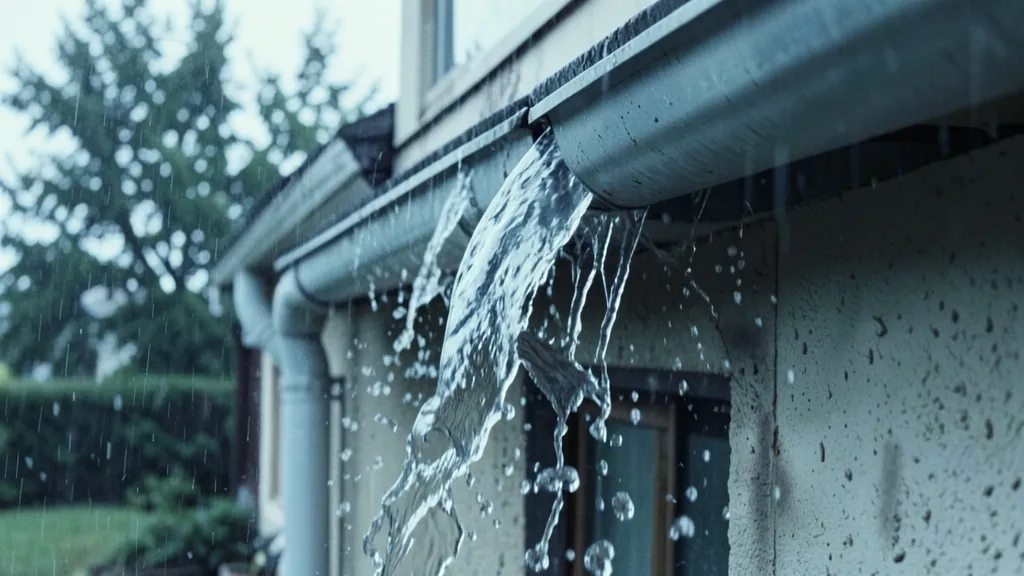
Historic homes in Martinsburg carry timeless character—but their gutters often bear the brunt of age, weather, and neglect. We specialize in preserving that charm with tailored gutter protection, from gentle cleaning to period-appropriate repairs and guards that respect original architecture.
Why Historic Homes Need Specialized Gutter Care
Older homes often feature unique gutter systems like half-round copper or box gutters, designed for aesthetics and durability. These require careful handling to avoid damage during cleaning or repairs.
Martinsburg’s mix of heavy spring rains and autumn leaf drop can overwhelm vintage gutters, leading to clogs, rust, or separation at seams. Proactive maintenance prevents costly water damage to fascia, soffits, and foundations.
Many historic properties also lack modern slope or downspout capacity. Resloping or adding discreet downspouts can improve drainage without altering the home’s historic look.
Improper cleaning or repairs can dent, scratch, or dislodge historic gutters. Always use soft-bristle tools and avoid pressure washers on aged metals.
Common Gutter Problems in Older Martinsburg Homes
Leaf and pine needle buildup is the top culprit, especially in neighborhoods like Hedgesville or Falling Waters with mature trees. This debris traps moisture, accelerating rust in steel gutters or patina in copper.
Ice dams in winter are another threat. Poor insulation or clogged gutters can cause melting snow to refreeze, forcing water under shingles and into walls. Properly sloped gutters and heated cables can mitigate this.
Sagging or pulling away from the roofline often signals failing hangers or overloaded sections. Historic homes may need reinforced or hidden hangers to maintain structural integrity without visual disruption.
Gutter Materials: What Works Best for Historic Properties
Copper gutters are a premium choice for historic homes, offering longevity and a distinctive patina over time. They’re common in high-end restorations but require expert installation to avoid leaks at seams.
Galvanized steel was a staple in mid-century homes but is prone to rust. If preserving original steel gutters, regular cleaning and sealant application can extend their lifespan.
Aluminum gutters are lightweight and rust-proof, making them a practical upgrade. They can be painted to match historic color schemes, though they lack the vintage appeal of copper or half-round styles.
| Material | Lifespan | Pros | Cons |
|---|---|---|---|
| Copper | 50-100+ years | Durable, elegant patina, low maintenance | Expensive, requires skilled installation |
| Galvanized Steel | 20-30 years | Strong, traditional look | Prone to rust, heavier |
| Aluminum | 20-30 years | Lightweight, rust-proof, custom colors | Less historic aesthetic, can dent |
| Vinyl | 10-20 years | Affordable, DIY-friendly | Not suitable for historic homes, brittle in cold |
Gutter Guards: Are They Right for Your Historic Home?
Gutter guards can reduce debris buildup, but not all types suit historic properties. Mesh or micromesh guards work well for fine debris like pine needles, common in Inwood and Spring Mills.
Reverse-curve or surface-tension guards are less visible but may not handle heavy leaf fall as effectively. For homes with steep roof pitches, these can be a good fit.
Avoid bulky screens that disrupt the roofline’s appearance. Custom-cut guards or low-profile options can blend seamlessly with traditional gutter styles.
Half-round gutters pair best with mesh or foam guards, while K-style gutters can accommodate most guard types. Always ensure guards don’t void warranties on historic materials.
The Role of Downspouts in Historic Home Drainage
Downspouts are critical for directing water away from foundations, especially in Martinsburg’s clay-heavy soil, which is prone to erosion. Historic homes often have fewer downspouts than modern builds, increasing the risk of overflow.
Adding downspouts or extending them further from the home can improve drainage. For aesthetic cohesion, use materials and colors that match the existing system.
Underground drainage systems are another option for historic properties, though they require more maintenance. These are ideal for homes in low-lying areas like Bunker Hill.
Seasonal Gutter Maintenance for Martinsburg’s Climate
Spring and fall are the most critical seasons for gutter upkeep. Spring rains can expose clogs or leaks, while fall’s shedding trees demand frequent cleaning to prevent blockages.
Winter prep is essential. Ensure gutters are clear before the first freeze to prevent ice dams. In areas like Falling Waters, where snowfall is heavier, consider heated gutter systems.
Summer is the best time for inspections and repairs. Check for rust, loose seams, or sagging sections, and address them before the wetter seasons.
Seasonal Gutter Checklist
- Clean gutters and downspouts in early spring and late fall
- Inspect for rust, leaks, or sagging after storms
- Check downspout extensions for proper water diversion
- Trim overhanging branches to reduce debris
- Test gutter slope for proper drainage
When to Repair vs. Replace Historic Gutters
Minor issues like small leaks or loose hangers can often be repaired with sealant or reinforcement. For copper gutters, soldering may be needed to restore seams.
Extensive rust, large holes, or sections pulling away from the roofline usually signal it’s time for replacement. In historic districts, check local guidelines—some areas require matching original materials.
If replacing, consider seamless gutters to minimize leaks and maintain a clean look. For homes in Inwood or Hedgesville, copper or painted aluminum can offer durability without sacrificing style.
Martinsburg’s historic districts may have rules on gutter materials and colors. Always consult local preservation boards before making changes.
Commercial Gutter Care for Historic Downtown Buildings
Downtown Martinsburg’s historic commercial buildings often have large, flat roofs with internal or box gutters. These require specialized cleaning to avoid water pooling, which can lead to roof leaks or structural damage.
Regular inspections are key, especially after storms. Look for signs of standing water, rust, or debris accumulation in gutters and downspouts.
For multi-story buildings, safety is paramount. Use professional equipment and techniques to clean gutters without risking damage to the building or injury to workers.
How to Inspect Your Historic Home’s Gutters
A thorough inspection can reveal hidden issues before they cause major damage.
- 1Safety First
Use a sturdy ladder and wear gloves. For multi-story homes, consider hiring a professional to avoid risks.
- 2Check for Visible Damage
Look for rust, holes, sagging sections, or peeling paint. Pay attention to seams and end caps, which are common leak points.
- 3Test the Slope
Use a level or observe water flow during rain. Gutters should slope slightly toward downspouts for proper drainage.
- 4Inspect Downspouts
Ensure downspouts are securely attached and direct water at least 5 feet away from the foundation. Check for clogs at the top and bottom.
- 5Look for Water Stains
Stains on siding, fascia, or the foundation can indicate overflow or leaks. Address these areas promptly to prevent further damage.
Frequently Asked Questions
Can I install gutter guards on my historic Martinsburg home without altering its appearance?
Yes, low-profile mesh or micromesh guards can be nearly invisible once installed. For half-round or copper gutters, custom-cut guards blend seamlessly. Avoid bulky screens, which can detract from the home’s historic look.
How often should I clean the gutters on my older home?
We recommend cleaning at least twice a year—once in spring and once in fall. Homes with overhanging trees, like those in Inwood or Falling Waters, may need more frequent cleaning to prevent clogs.
What are the signs that my historic gutters need to be replaced?
Extensive rust, large holes, sections pulling away from the roofline, or frequent leaks are all red flags. If repairs are no longer effective, replacement may be necessary to protect your home’s structure.
Are there gutter materials that are better suited for Martinsburg’s climate?
Copper and aluminum are excellent choices for Martinsburg’s mix of rain, snow, and humidity. Copper is highly durable and develops a protective patina, while aluminum is rust-proof and lightweight. Galvanized steel is less ideal due to rust risks.
Do I need a permit to replace gutters on a historic home in Martinsburg?
It depends on your home’s location. If you’re in a historic district, you may need approval from the local preservation board to ensure changes comply with guidelines. Always check before starting work.
How can I prevent ice dams in my historic home’s gutters?
Ensure your gutters are clean and properly sloped before winter. Adding heated gutter cables can also help prevent ice buildup. Proper attic insulation and ventilation reduce the risk of ice dams forming at the roofline.