The Hidden Dangers of Ignoring Gutter Leaks in Martinsburg
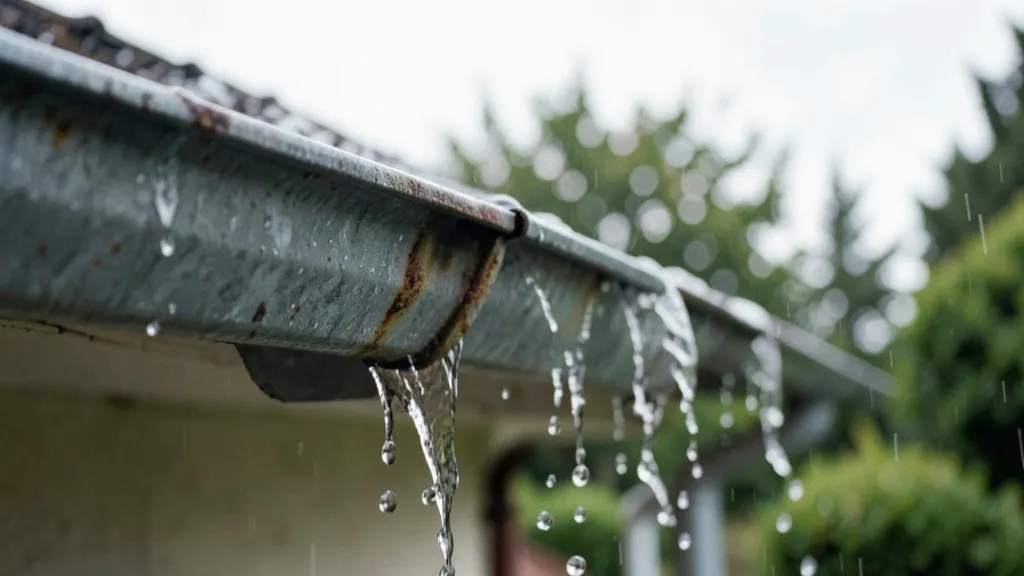
Gutter leaks start small—a drip here, a stain there—but left unchecked, they unleash a cascade of damage that Martinsburg homeowners feel in their wallets and their peace of mind. We’ve seen firsthand how a neglected gutter system can rot fascia, undermine foundations, and turn basements into indoor pools.
Why Gutter Leaks Are a Silent Threat to Your Home
Gutters are your roof’s first line of defense against water. When they leak, that water doesn’t just vanish—it follows the path of least resistance, often straight into your home’s structure.
In our region’s freeze-thaw cycles, trapped water in clogged or leaking gutters expands, widening cracks and pulling seams apart. By spring, what was a minor leak becomes a full-blown failure.
Homeowners in Hedgesville and Inwood often overlook early signs like peeling paint or damp spots near the roofline. These are red flags that water is already infiltrating areas it shouldn’t.
A single leaking joint can channel hundreds of gallons of water against your foundation during a heavy Martinsburg rainstorm. Over time, this erodes soil and creates cracks that compromise structural integrity.
The Domino Effect: How One Leak Leads to Costly Repairs
Start at the top: leaking gutters saturate roof decking and underlayment. In Falling Waters and Bunker Hill, we’ve seen this lead to rot that spreads to rafters and trusses, requiring expensive roof repairs.
Water cascading down exterior walls stains siding and accelerates wood rot. Vinyl siding may hide the damage, but the moisture beneath is wreaking havoc on sheathing and insulation.
Below ground, poor drainage from faulty gutters causes soil erosion. In Spring Mills, where clay-heavy soil is common, this often results in foundation settling or cracks that demand professional intervention.
Common Causes of Gutter Leaks in West Virginia Homes
Age and wear are the top culprits. Seams in sectional gutters corrode or separate, especially after years of exposure to Martinsburg’s humid summers and icy winters.
Clogged downspouts force water to overflow and pool, creating backpressure that stresses joints. Pine needles and oak leaves are notorious in areas like Inwood, where mature trees line many streets.
Improper slope is another frequent issue. Gutters should drop about 1/4 inch per 10 feet toward downspouts. If they’re level or pitched the wrong way, water stagnates and eventually finds a way out—through leaks.
| Cause | Typical Location | Resulting Damage |
|---|---|---|
| Seam failure | Between gutter sections | Water drips behind fascia, rotting wood |
| Clogged downspouts | At downspout entrance | Overflow erodes landscaping, damages siding |
| Rust and corrosion | Older steel gutters | Holes form, leading to direct water intrusion |
| Improper slope | Entire gutter run | Standing water accelerates rust and leaks |
| Cracked or loose hangers | Under heavy debris load | Gutters sag, creating low spots that collect water |
Signs Your Martinsburg Home Has a Gutter Leak Problem
Check for water stains on ceilings or exterior walls, especially after rain. These often appear directly below gutter seams or end caps.
Peeling or bubbling paint on fascia and soffits is a telltale sign of chronic moisture. In older homes around Hedgesville, this can indicate long-standing issues.
Look for erosion patterns in your landscaping. If mulch or soil is washed away beneath downspouts, your gutters aren’t channeling water far enough from the foundation.
During heavy rain, stand outside and watch your gutters. If water sprays from joints or drips behind the gutter, you’ve got leaks that need immediate attention.
Quick Gutter Leak Inspection Checklist
- Inspect seams and end caps for drips or stains
- Check downspouts for clogs or slow drainage
- Look for rust spots or holes in gutter troughs
- Examine fascia and soffits for rot or peeling paint
- Verify gutters are properly sloped toward downspouts
How Gutter Leaks Worsen in Martinsburg’s Climate
Our region’s humidity promotes algae and moss growth in gutters, which traps moisture and accelerates deterioration. This is especially common in shaded neighborhoods like those near the Opequon Creek.
Winter ice dams are another major concern. When gutters are clogged, melting snow can’t drain. It refreezes at the roofline, forcing water back under shingles and into your home.
Spring and fall bring heavy leaf drop. Without regular cleaning, debris builds up quickly, creating dams that overflow and exacerbate existing leaks.
We recommend cleaning gutters at least twice a year—once in late spring after seed pods drop, and again in late fall after leaves have fallen. Homes with overhanging trees may need more frequent attention.
Gutter Leak Repairs vs. Full Gutter Replacement
Not all leaks require a full gutter replacement. Small holes or minor seam separations can often be repaired with high-quality sealants or patching materials.
However, if your gutters are sagging, rusted through, or pulling away from the fascia, replacement may be the more cost-effective long-term solution. This is common in older Martinsburg homes with original steel gutters.
For homes in areas like Bunker Hill with heavy tree coverage, consider upgrading to seamless gutters or adding gutter guards. These reduce debris buildup and minimize future leak risks.
The Role of Downspouts in Preventing Water Damage
Downspouts are just as critical as the gutters themselves. If they’re clogged or improperly positioned, water pools at the base of your home, leading to foundation issues.
We often see downspouts in Falling Waters that terminate too close to the house. Extensions should direct water at least 5–10 feet away from the foundation to prevent erosion and basement seepage.
For commercial properties or larger homes, larger downspouts (3x4 inches instead of 2x3) may be necessary to handle higher water volume during storms.
How to Temporarily Patch a Gutter Leak Until Professional Help Arrives
If you spot a leak but can’t schedule a repair immediately, a temporary fix can prevent further damage.
- 1Clean the Area
Remove debris and dirt from the leak site with a wire brush. This ensures the patch adheres properly to the gutter material.
- 2Apply Gutter Sealant
Use a high-quality, waterproof gutter sealant or silicone caulk. Apply it generously over the leak, extending at least an inch beyond the damaged area.
- 3Press and Smooth
Press the sealant into the gap with a putty knife, then smooth the surface to create a watertight barrier. Wipe away excess with a damp cloth.
- 4Test the Patch
After the sealant cures (usually 24 hours), test by running a hose to the gutter. If water flows without leaking, the patch is holding.
- 5Monitor and Plan for Repair
Check the patch after the next rain. Temporary fixes last weeks to months—schedule a professional gutter repair or cleaning to address the root cause.
Frequently Asked Questions
How long can I wait to fix a gutter leak in Martinsburg?
The sooner, the better. Even small leaks can cause significant damage within a few months, especially with our region’s frequent rain and freeze-thaw cycles. If you notice a leak, address it before the next major storm.
Can gutter guards prevent leaks entirely?
Gutter guards reduce debris buildup, which minimizes clogs that lead to overflows and leaks. However, they don’t prevent leaks caused by rust, seam failures, or improper installation. Regular inspections are still necessary.
Why do my gutters leak more in winter?
Ice and snow melt can refreeze in clogged gutters, creating ice dams. These block water flow, forcing it under shingles or through seams. Properly sloped and clean gutters help prevent this common winter issue in West Virginia.
Do I need to replace my gutters if they’re leaking at every seam?
If your gutters are old and leaking at multiple seams, replacement is often more cost-effective than repeated repairs. Sectional gutters are prone to seam failures over time, and upgrading to seamless gutters can eliminate this issue.
How do I know if my gutter leaks are causing foundation problems?
Look for cracks in your foundation, uneven floors, or water stains in your basement. If you notice soil erosion or pooling water near your home’s base after rain, your gutters may be the culprit. A professional inspection can confirm the source.
Are gutter leaks covered by homeowners insurance?
Typically, insurance covers damage caused by gutter leaks (e.g., water damage to walls or ceilings) but not the cost of repairing the gutters themselves. Check your policy and document any damage with photos for your claim.